
High-End Residential Construction: How the Process Differs from Standard Home Building
Table of Contents
- The Process Gap Is Wider Than Most People Expect
- Pre-Construction: Where the Real Work Begins
- Permitting at the High End
- Materials Procurement and Lead Times
- The Construction Phase
- Quality Control Mechanisms
- Timelines: Realistic Expectations
- Build at the Highest Level with Craftsmen’s Guild
- FAQ
The Process Gap Is Wider Than Most People Expect
When people compare high-end residential construction to standard home building, they often focus on the obvious variables: materials, finishes, price. What they underestimate is the process gap — the degree to which the entire construction methodology differs at the top end of the market.
High-end residential construction is not standard construction with better materials. It is a fundamentally different operational approach: more intensive pre-construction planning, more complex permitting requirements, longer material lead times, more specialized trades, and more rigorous quality control at every phase. Understanding these differences is essential for any homeowner considering a project at this level.
Craftsmen’s Guild’s work as a luxury home builder in the Bay Area reflects this elevated approach across every project phase — from initial planning through final delivery.
Pre-Construction: Where the Real Work Begins
On standard residential projects, pre-construction is often perfunctory: plans are drawn, permits are pulled, and construction begins. On high-end projects, pre-construction is an intensive phase in its own right, often spanning three to six months — and occasionally longer in complex regulatory environments.
During this phase, the builder should be actively engaged in reviewing architectural and engineering documents for constructability issues, developing a detailed project schedule with realistic lead times for long-lead materials, assembling the subcontractor team, and establishing a comprehensive budget with clearly documented assumptions.
This investment in pre-construction planning is one of the highest-return activities in luxury construction. Problems identified on paper cost a fraction of what they cost to correct in the field. Teams that skip or compress pre-construction consistently pay for it during construction.
Permitting at the High End
Permitting for high-end residential construction in the Bay Area is a domain of significant complexity. Municipalities like Atherton, Los Altos Hills, Hillsborough, and Portola Valley have design review processes that apply to new construction and significant remodels — processes that require presentations to design review boards, compliance with specific architectural guidelines, and, in some cases, neighbor notification periods.
Beyond design review, technical permit requirements include structural engineering for seismic compliance, Title 24 energy calculations, CalGreen documentation, grading and drainage plans for projects with site work, and, in fire-hazard zones, fire-hardening specifications. Each of these requires coordination between the design team and relevant consulting engineers — all of which must be assembled, submitted, and approved before a permit is issued.
Experienced luxury builders in this market plan permit timelines conservatively, maintain relationships with local planning staff, and structure project schedules to accommodate realistic review periods rather than optimistic ones.
Materials Procurement and Lead Times
One of the most significant operational differences in high-end construction is materials procurement. Standard construction relies on readily available materials with short lead times. High-end construction routinely incorporates materials with lead times of four, six, or twelve months — or longer.
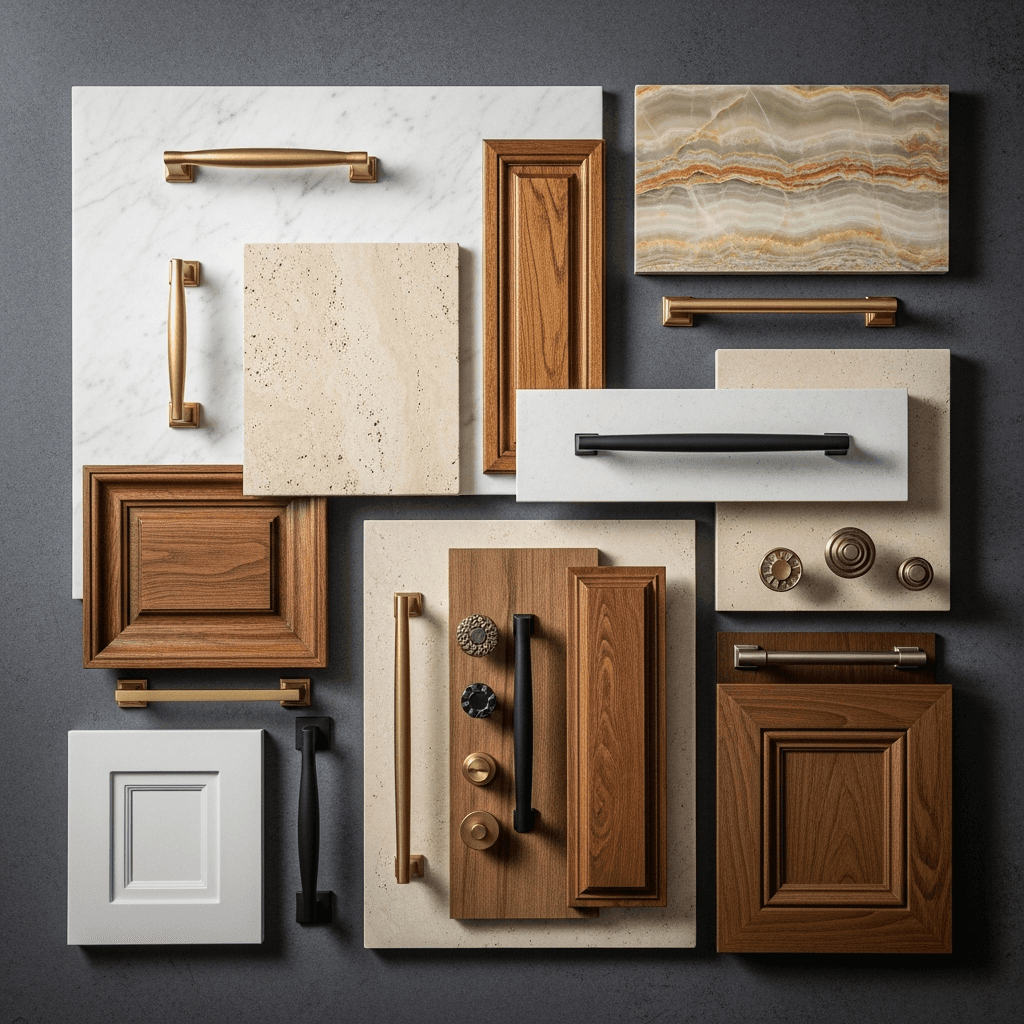
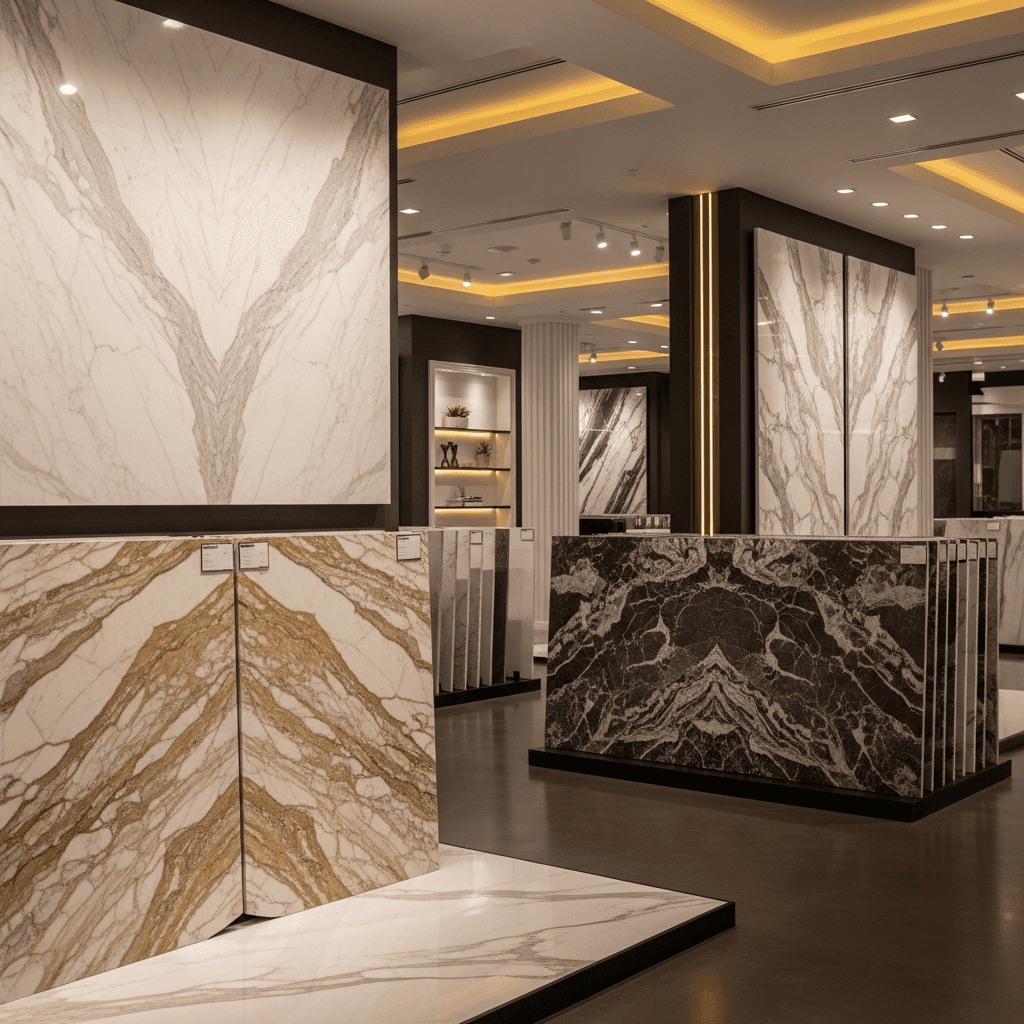
Custom-fabricated cabinetry from artisan workshops. Imported natural stone requiring careful quarry selection and shipping. Purpose-engineered glazing systems. Custom hardware with six-month production windows. Each of these represents a potential schedule constraint that must be identified, ordered, and tracked from the earliest stages of the project.
The procurement plan — a comprehensive tracking document for all long-lead materials — is a critical pre-construction deliverable for any serious high-end builder. Without it, even a well-managed project can stall waiting for materials that were not ordered in time.
The Construction Phase
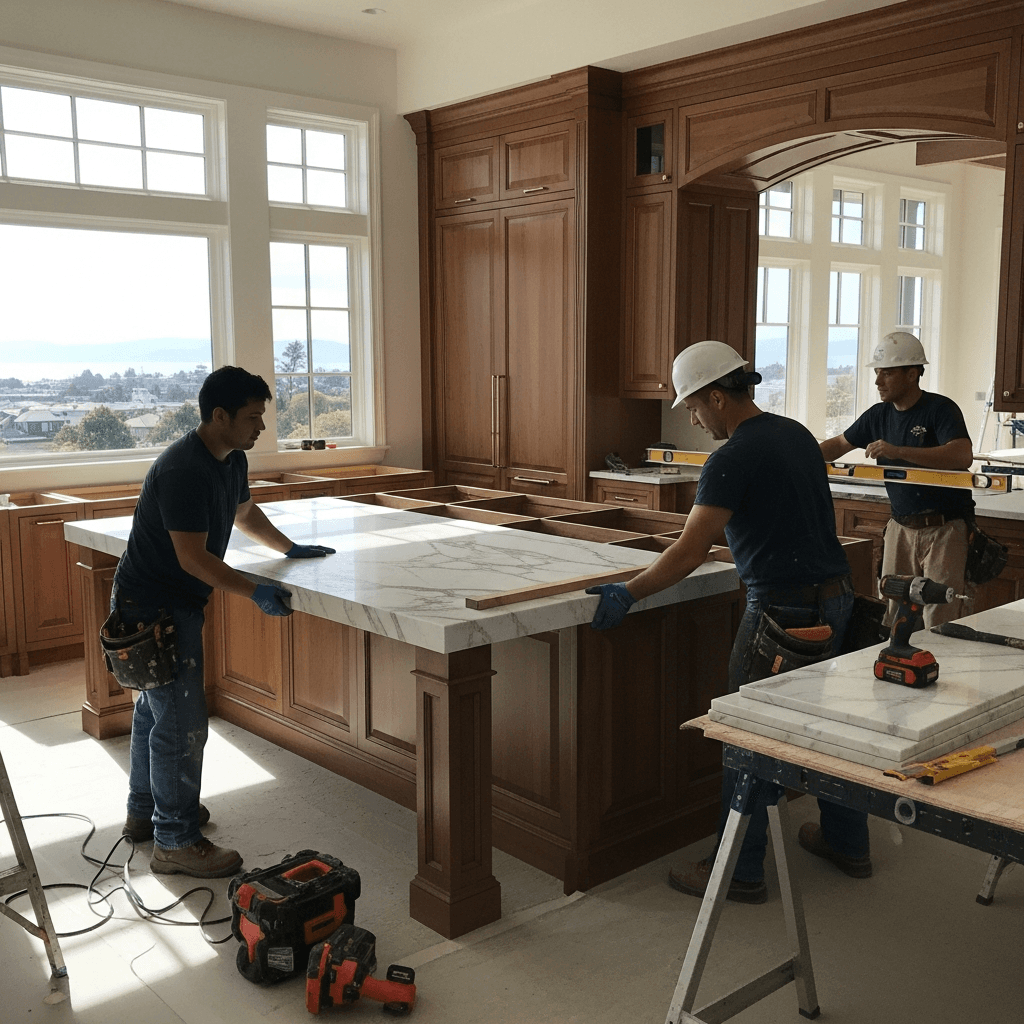
High-end construction during the field phase is characterized by several practices that distinguish it from standard work. Tolerances are tighter — precision framing is required to support the level of millwork and finish detailing that luxury homes demand. Mock-ups and samples are reviewed on-site before full installation proceeds. Material deliveries are carefully coordinated to protect premium materials from job-site damage.
Subcontractor selection at this level reflects years of relationship-building. The best luxury builders in the Bay Area work with a consistent network of specialty tradespeople — installers who have experience with the specific materials and details the project requires, not generalists adapting on the fly.
The custom home construction process at Craftsmen’s Guild reflects this standard at every phase — a construction methodology built around precision, coordination, and accountability.
Quality Control Mechanisms
Standard residential construction quality control typically relies on code inspections by local building departments. This is a minimum standard — one that establishes a floor, not a ceiling. High-end residential construction requires internal quality control mechanisms that go significantly further.
These include structured pre-installation meetings for each trade, review of submittals and shop drawings against design intent, regular third-party inspections for specific systems, and documented punch list processes that are taken seriously rather than treated as a formality. The goal is to identify and correct issues at the earliest possible point — when they are least expensive to resolve.
Timelines: Realistic Expectations
Ground-up luxury custom homes in the Bay Area routinely require 18–36 months from project initiation to certificate of occupancy. Major luxury remodels typically run 12–24 months. These timelines reflect the reality of Bay Area permitting, the lead times for premium materials, and the deliberate pace that quality construction at this level demands.
Homeowners who budget for realistic timelines navigate the experience far more smoothly than those who enter with compressed expectations and spend the project disappointed by a reality that was always predictable. As our post on planning your home renovation timeline outlines, timeline planning is one of the highest-leverage decisions you make before construction begins.
Build at the Highest Level with Craftsmen’s Guild
Craftsmen’s Guild has built its practice around the standard of excellence that high-end residential construction demands. If you are considering a ground-up build or major renovation in the Bay Area, we invite you to contact us and explore how we approach projects of this caliber.
Frequently Asked Questions
What is the biggest difference between a luxury builder and a standard GC?
The most significant differences are in pre-construction rigor, subcontractor network quality, materials procurement discipline, and the administrative infrastructure that supports transparent communication and budget management throughout the project.
Are high-end construction costs in the Bay Area justified?
In a market where finished luxury homes trade at $2,000–$5,000+ per square foot, construction costs that produce homes at that quality level are economically rational. The risk is spending luxury-level money without luxury-level process and outcomes.
How do I verify a contractor’s experience in high-end residential work?
Ask for references from projects of comparable scope and budget, request to visit completed homes where possible, and review not just the finished product but the client’s account of the process — budget management, communication, and responsiveness to issues.
Does high-end construction require specialized insurance?
Yes. Builder’s risk insurance, umbrella liability coverage, and in some cases, wrap-up insurance policies are appropriate for significant luxury construction projects. Your builder should be able to clearly explain their insurance structure.
What happens if the project encounters unexpected conditions?
In high-end construction, unexpected conditions are managed through pre-established contingency budgets, transparent communication, and a documented change order process that keeps the client informed before additional costs are committed.
Categories
- Apartments1
- Architectural Home Design2
- Architecture8
- Contemporary home design Los Gatos7
- Custom Home Additions2
- Custom home builders80
- Custom Home Construction18
- Custom home construction Los Altos8
- Custom Home Design19
- Custom Home Plans1
- Floor Plan1
- Flooring4
- Ground Up Build1
- Home Builder30
- Home Construction12
- Home Remodeling8
- Home Renovations31
- House6
- Interior3
- Kitchen Remodel2
- Planning1
- Press Release1
- Property1
- Remodel Additions3
- residential construction2
- Smart Home Design3

Ready to turn your vision into a stunning living space?
Schedule a complimentary consultation. We’ll listen, walk your space, and map a path forward.