
San Francisco Home Renovation: What Makes It Different From Any Other Market
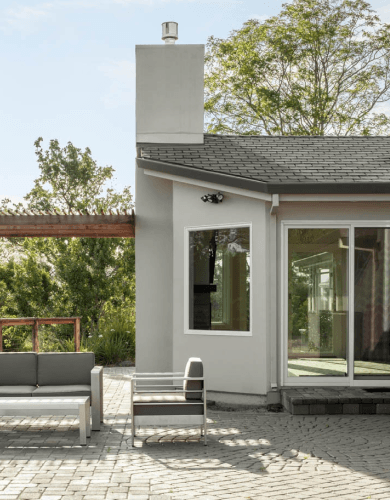
San Francisco is unlike any other city in the world — and renovating a home here reflects that reality in every detail. The architecture is layered with history. The neighborhoods carry distinct character. The regulatory environment is among the most complex in California. And the standard of living that discerning homeowners expect leaves no room for anything less than exceptional execution.
For homeowners considering a renovation in San Francisco, understanding what makes this market unique is the foundation of a successful project.
1. San Francisco’s Architecture Demands Respect
San Francisco’s residential landscape spans Victorian row houses, Edwardian flats, mid-century modern masterpieces, and contemporary custom builds — often within the same block. Each architectural style carries its own structural considerations, material requirements, and preservation standards.
Renovating a Victorian home in Pacific Heights is a fundamentally different undertaking than reimagining a mid-century property in St. Francis Wood. A builder who approaches both the same way is not a builder who understands San Francisco.
The most successful home renovations in San Francisco begin with a deep respect for the existing architecture — understanding what can be transformed, what must be preserved, and how to introduce contemporary living standards without erasing the character that makes a property extraordinary.
At Craftsmen’s Guild, our architectural design team approaches every renovation as a dialogue between the building’s history and the homeowner’s vision. The result is a home that feels both timeless and entirely current. Explore our Home Remodeling & Renovations services to understand how we approach each project.
2. The Permitting Environment Is Unlike Anywhere Else
San Francisco’s Department of Building Inspection is one of the most rigorous permitting authorities in California. Historic preservation requirements, neighborhood-specific zoning regulations, and the city’s seismic safety standards all intersect to create a permitting environment that demands experience, precision, and patience.
Homeowners who underestimate the permitting process encounter delays that cascade into budget overruns and extended timelines. The key is working with a team that has navigated San Francisco’s regulatory landscape for decades — one that knows how to prepare documentation correctly the first time, anticipate review concerns before they arise, and maintain momentum through every stage of the approval process.
With over 35 years of experience building and renovating throughout the Bay Area, Craftsmen’s Guild brings a depth of regulatory knowledge that protects our clients’ projects from the most common — and costly — sources of delay.
3. Seismic Retrofitting Is Non-Negotiable
San Francisco sits in one of the most seismically active regions in the United States. Any serious home renovation must account for the structural integrity of the building — not just aesthetically, but from a safety and longevity perspective.
Seismic retrofitting is not simply a regulatory requirement. It is an investment in the permanence of the home and the security of the family living in it. For older homes — particularly those built before modern seismic standards were established — a renovation presents the ideal opportunity to integrate structural upgrades seamlessly into the project.
The most sophisticated homeowners in San Francisco understand this. They are not simply renovating a space — they are future-proofing a legacy.
4. Craftsmanship Standards Are Set by the City’s Finest Homes
The benchmark for residential quality in San Francisco is set by some of the most architecturally significant private residences in California. Homeowners in neighborhoods like Pacific Heights, Sea Cliff, and Presidio Heights have seen what exceptional craftsmanship looks like — and they expect nothing less from their own renovation.
This means material selection, millwork, custom finishes, and precision detailing are not optional upgrades. They are the baseline expectation. A renovation that does not meet this standard is one that diminishes the value and character of the property rather than enhancing it.
Craftsmen’s Guild has been delivering this standard of craftsmanship since 1988. Our portfolio includes some of the most refined residential renovations in the Bay Area — projects that have been recognized in publications including Architectural Digest. View our completed Projects to see what this standard looks like in practice.
5. The Design-Build Advantage in a Complex Market
San Francisco’s renovation environment rewards integration. When the architectural design team and the construction team operate as a unified entity — rather than separate firms communicating across a divide — projects move faster, decisions are made with greater precision, and the finished result reflects a coherent vision rather than a compromise between competing interpretations.
The design-build model eliminates the friction that causes most luxury renovation projects to fall short of their potential. The architect understands what is buildable. The builder understands what the design intends. The homeowner experiences a single point of accountability from concept through completion.
This is the model Craftsmen’s Guild has operated under for over three decades. It is why our clients in San Francisco, the Peninsula, and across the Bay Area return to us for every significant project they undertake. Learn more about our approach to Custom Home Construction and why the design-build model produces superior results.
Frequently Asked Questions
What makes home renovation in San Francisco more complex than in other Bay Area cities? San Francisco combines historic preservation requirements, neighborhood-specific zoning, stringent seismic safety standards, and one of California’s most rigorous permitting processes — all within a residential market that holds craftsmanship to an exceptionally high standard. Navigating all of these factors simultaneously requires a builder with deep local expertise and decades of experience in the market.
How long does a home renovation typically take in San Francisco? The timeline varies significantly depending on the scope of the project and the permitting requirements involved. A comprehensive whole-home renovation in San Francisco can take anywhere from several months to over a year from design through completion. Working with an experienced design-build firm helps maintain momentum through the permitting process and reduces the risk of delays that extend timelines unnecessarily.
Why is the design-build model particularly effective for San Francisco renovations? San Francisco’s complexity — architecturally, regulatorily, and structurally — rewards integrated teams. When design and construction operate under one roof, decisions are made faster, documentation is prepared correctly from the outset, and the finished home reflects a unified vision. For homeowners in a market where every phase of a project carries complexity, this integration is not a convenience — it is a strategic advantage.
Conclusion
A home renovation in San Francisco is one of the most significant investments a homeowner can make — and one of the most demanding projects a builder can execute. The city’s architectural heritage, regulatory complexity, seismic requirements, and uncompromising quality standards demand a team that has spent decades mastering this specific market.
Craftsmen’s Guild brings over 35 years of Bay Area expertise, a fully integrated design-build team, and a portfolio that speaks for itself. If you are considering a renovation in San Francisco, we invite you to schedule a consultation and explore what is possible for your home.
Categories
- Apartments1
- Architectural Home Design2
- Architecture8
- Contemporary home design Los Gatos7
- Custom Home Additions2
- Custom home builders80
- Custom Home Construction18
- Custom home construction Los Altos8
- Custom Home Design19
- Custom Home Plans1
- Floor Plan1
- Flooring4
- Ground Up Build1
- Home Builder30
- Home Construction12
- Home Remodeling8
- Home Renovations31
- House6
- Interior3
- Kitchen Remodel2
- Planning1
- Press Release1
- Property1
- Remodel Additions3
- residential construction2
- Smart Home Design3



Ready to turn your vision into a stunning living space?
Schedule a complimentary consultation. We’ll listen, walk your space, and map a path forward.